

IoT & hardware
Custom hardware and PCB development: from schematic to production
A good product deserves electronics designed for it: not a standard module that almost fits, not a prototype on a dev board that will never survive a production run. Meshnex designs and builds hardware and firmware in-house, from schematic and PCB layout to a certified, production-ready device.
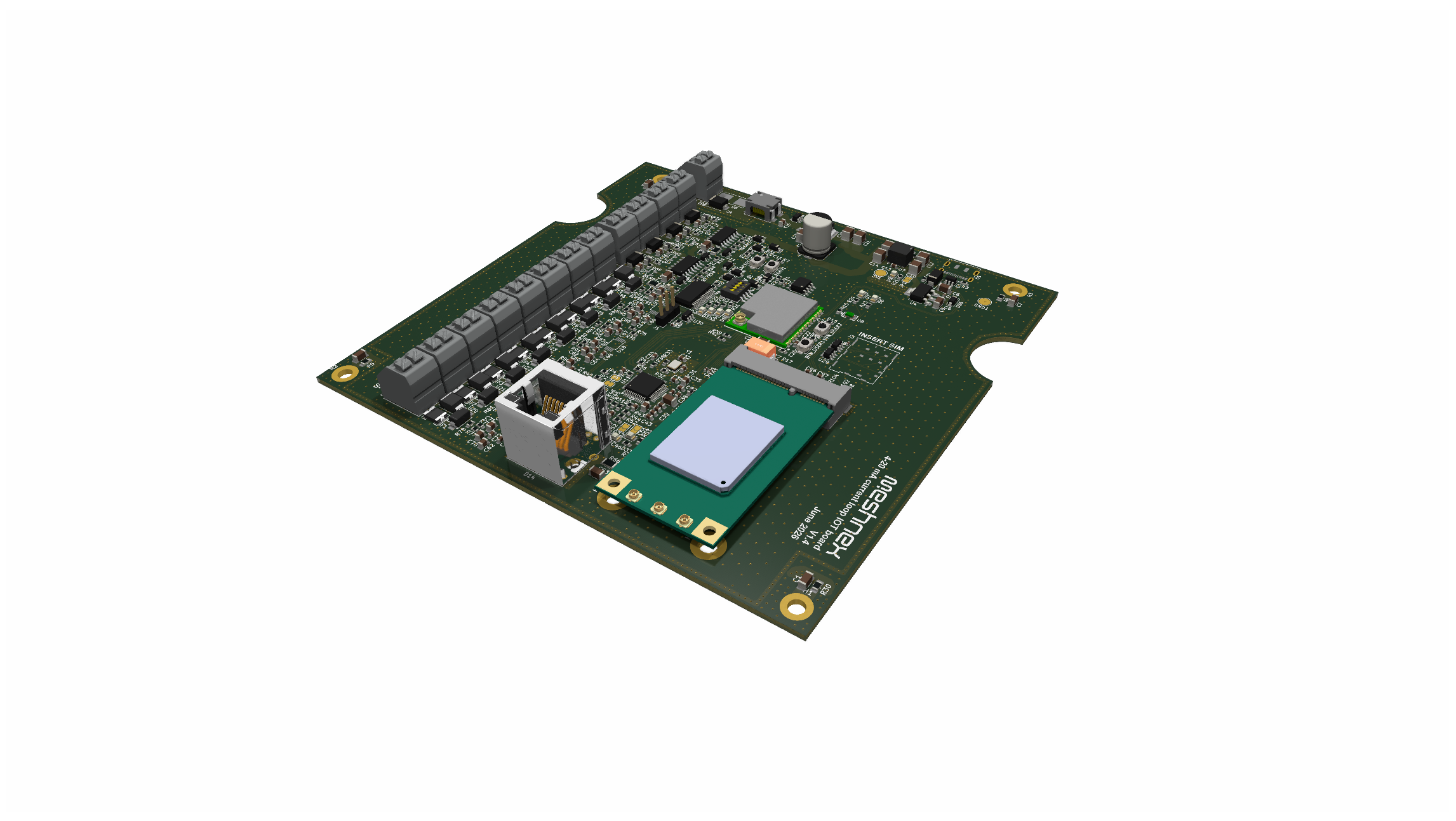
When off-the-shelf electronics stop fitting
Most products start with what you can buy: a module, a dev kit, a standard logger. Sensible, until the requirements grow and it starts to pinch. These are the moments companies come to us:
And now regulation has joined the list. Since 1 August 2025, cybersecurity requirements (EN 18031, under the Radio Equipment Directive) are mandatory for CE marking of wirelessly connected devices, and from December 2027 the Cyber Resilience Act demands security and updates across the entire product lifetime. Designing connected hardware without security and OTA updates from the schematic onwards is no longer an option.
What we design and build
Electronics that measure, communicate and last for years
No two products are the same, but the question usually is: measure or control reliably, get the data out, and keep working for years in an industrial environment. This is what we design for clients:
Not a catalog, but a pattern: electronics that measure, communicate and have to keep working in the field. If you don't recognize your product here, we'd like to hear what it is.
Hardware and firmware from one house
Meshnex designs, builds and tests hardware and firmware in-house. That is not a detail: it decides how fast you iterate and whether hardware and software fit together instead of waiting for each other.
What happens in-house:
One team, one responsibility. When something doesn't work, there is nobody to point at: and that saves months.
- Schematic design and component selection, with availability and lifetime as design requirements.
- PCB layout with signal integrity and EMC from the first routing, not as an afterthought repair.
- Firmware: drivers, connectivity, power management and over-the-air updates.
- Prototype build and bring-up: the first boards are assembled, measured and brought to life here.
- Test and validation, up to and including field tests in the environment where the product has to work.
- The production dossier: DFM, test instructions and documentation a production partner can run with.
Where hardware projects run aground
Most hardware projects don't fail on the idea, but on the road from prototype to product. The patterns are always the same:
That is why we design for production, certification and updates from the first schematic line, not as a step afterwards.
- The prototype works, but can't be produced in series or costs far too much.
- The design fails the EMC test, and you only find out at the test lab.
- Firmware is an afterthought, written against hardware that is already fixed.
- A component goes end-of-life before the first series has left the building.
- Field updates were never designed in, so every bug means a site visit or a recall.
- Security wasn't included, and now that EN 18031 is mandatory, that means: start over.
Certification is a design choice, not a final stop
A device that is allowed into Europe has to do more than work. CE, EMC, radio and now cybersecurity: design for them at the schematic stage, and the test lab visit becomes a confirmation instead of a surprise.
The EMC and radio tests themselves happen at accredited test labs; the dossier and the preparation come out of our design process. That makes certification a planned step with a known lead time.
What it's really about: hardware that never holds your product back
Custom electronics are not a goal in themselves. The goal is a product that ships, keeps working in the field and can grow: without hardware being the reason it waits.
That way your product's schedule stays with the product, not with the question of which supplier is waiting for which.
Who we build for
Four kinds of clients, one pattern
The starting point differs, the question is the same: electronics that exactly fit the product, the volumes and the environment.
And the data? It lands where you want it
A connected device is only as useful as the platform behind it. Meshnex devices can connect to MeshOS, to your own systems, or to both:
Prefer your own platform or an existing cloud? The devices speak standard protocols such as MQTT, so you are never locked in.
Honest about custom hardware: three things up front
Custom electronics are an investment with a lead time. Three truths belong in an honest conversation, and they shape how we set up a project.
So you know whether custom is the right route before the first euro of engineering. And if the answer is no, that conversation costs you nothing.
From idea to series, in four steps
Every project starts with the same question: what must the product do, in which environment, in which volumes? After that, the route is predictable.
Step 1: intake and feasibility
We pin down requirements, volumes and environment and test whether custom pays off. You get an honest picture of the route, lead time and cost before any engineering starts.
Step 2: design of schematic, PCB and firmware
Schematic, component selection, layout and firmware architecture, designed for production, EMC and security at the same time: that prevents the expensive redesigns later.
Step 3: prototype, bring-up and field test
The first boards are assembled and brought to life, then tested where the product has to work: in the field, not just on the bench.
Step 4: certify and move to production
EMC and radio tests, the CE dossier and the handover to the production partner: from first series to repeat orders, test instructions included.
Proof in practice
Custom hardware in the field
Real devices: designed, built and live at clients.
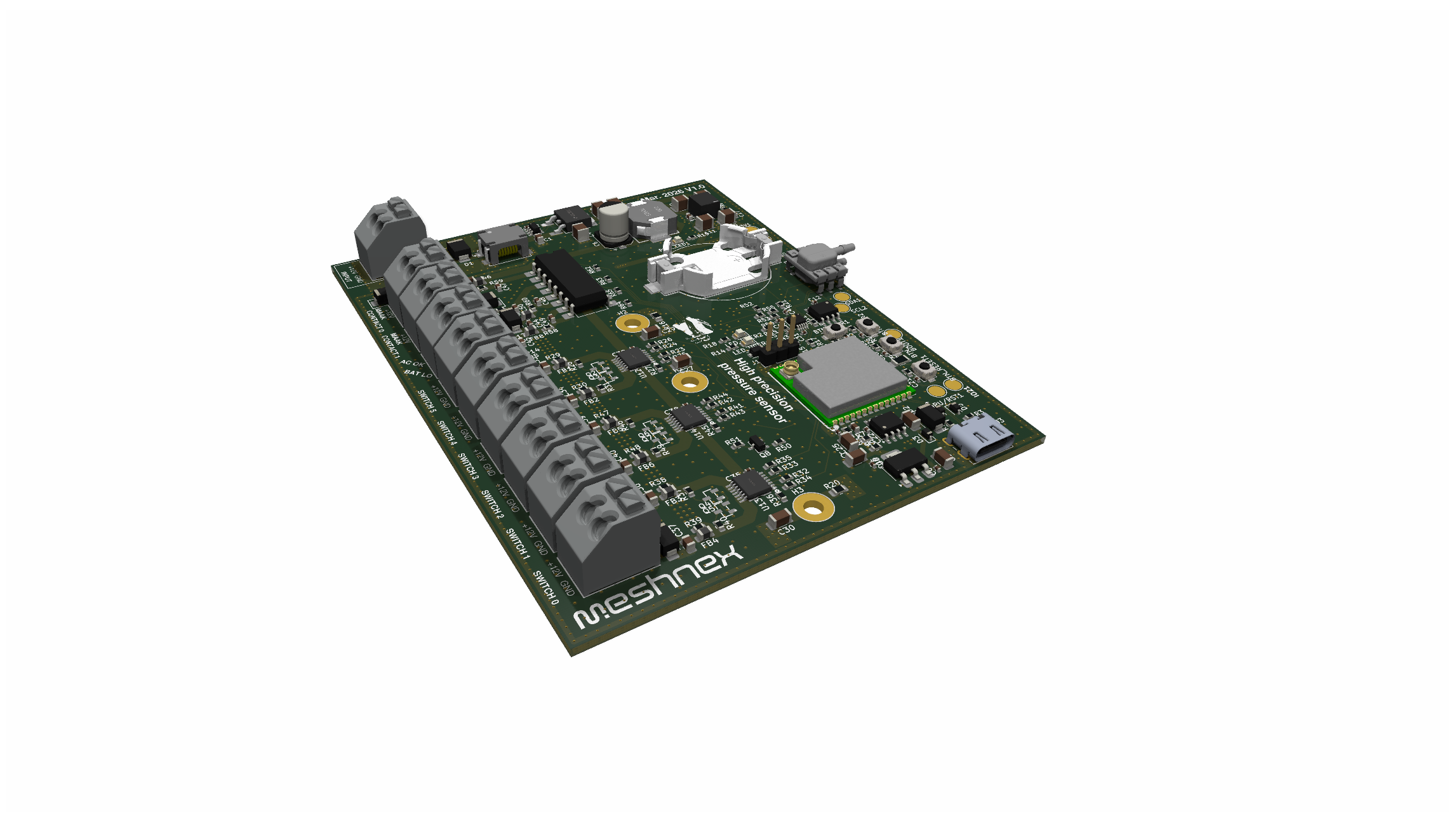 Pressure monitoring and control
 Pressure monitored and logged
A custom monitoring device that measures and logs pressure continuously. Deviations trigger an alert before they become a problem with a complete measurement history for analysis and reporting.
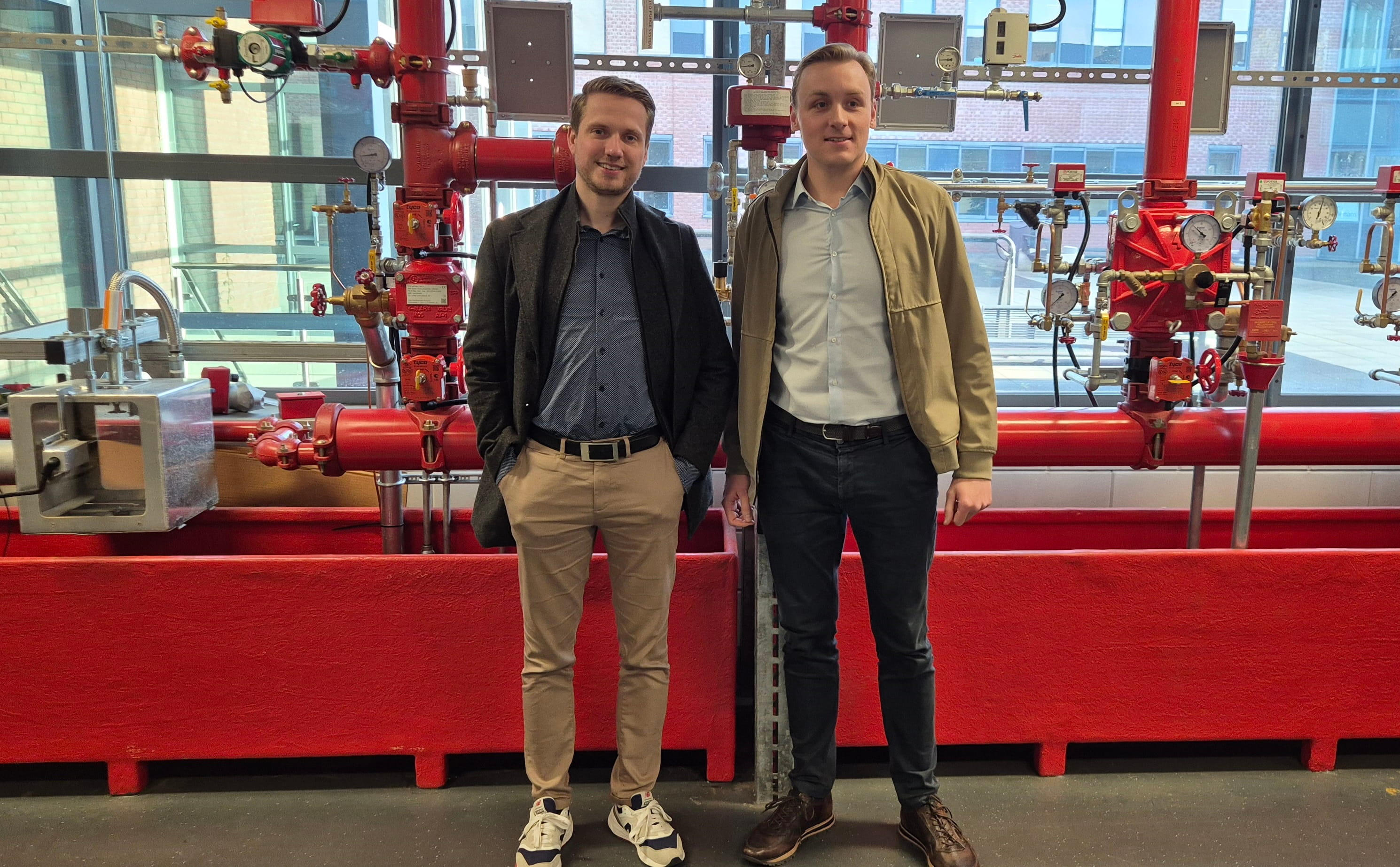 Remote testing
 Fire sprinkler valves, tested remotely
Sprinkler valves tested and verified remotely instead of on site rounds. Every test logged automatically with time, result and valve status full compliance history at the press of a button.
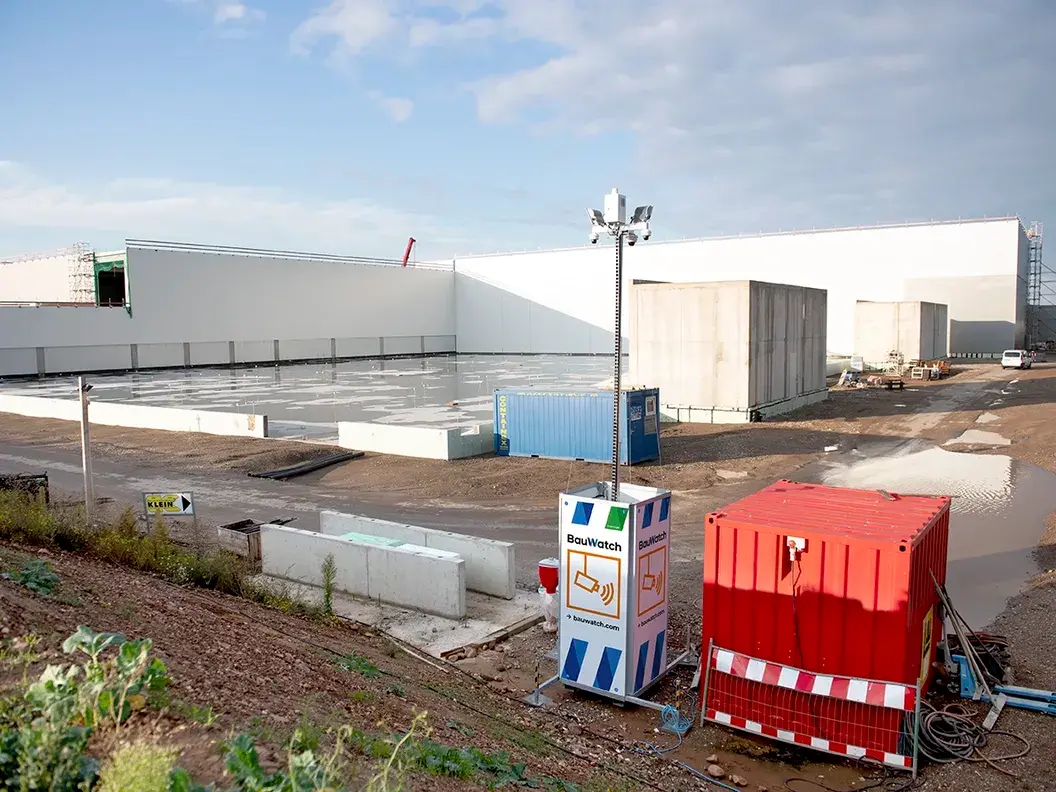 Remote monitoring
 Mobile security units, tracked live nationwide
Thousands of mobile units on construction sites across Europe status, location and health live in one dashboard, with over-the-air updates for the entire fleet.
Frequently asked questions about hardware and PCB development
How much does custom PCB development cost?
That depends on complexity, certification requirements and volumes: a measurement board without radio is a different project from a battery-powered device with 4G and a CE radio assessment. That is why every project starts with an intake that pins down requirements and volumes; after that you know what the design, prototypes and certification will take, before any engineering starts.
How long does hardware development take?
Think in months, not weeks. A straightforward measurement board moves through schematic, layout, prototype and test faster than a wireless, battery-powered product with certification. The biggest time gain sits up front: a well-considered design avoids extra board spins, and every spin costs weeks of ordering, assembling and testing.
Do you develop the firmware as well?
Yes, and deliberately so. Hardware and firmware come from the same house at Meshnex: drivers, connectivity, power management and over-the-air updates are designed alongside the schematic instead of after it. That removes the hardware-versus-software interface where projects usually strand.
Can you continue on our existing design or prototype?
Yes. A working prototype, a half-finished design or a product that needs a redesign because of end-of-life components: all of it is a starting point. We first assess what is there and what is reusable, and we tell you honestly where starting over is faster than repairing.
Do you handle certification (CE, EMC, radio)?
We design for it and prepare the full dossier; the EMC and radio tests themselves happen at accredited test labs, and we guide that process. Because EMC and radio requirements are built in from the first routing, the test is a planned milestone rather than a gamble.
What does EN 18031 (the RED delegated act) mean for our product?
Since 1 August 2025, wirelessly connected devices with internet access must meet cybersecurity requirements to get a CE marking: think secure access, encrypted communication and protected update mechanisms (the EN 18031 series of standards under the Radio Equipment Directive). For new designs we take those requirements in from the schematic; for existing products we assess what is needed, from a firmware change to a redesign.
What does the Cyber Resilience Act mean for our hardware?
The CRA touches nearly every product with digital elements on the European market: security by design, a maintained software inventory and the ability to deliver security updates across the product lifetime. Reporting duties for actively exploited vulnerabilities apply from September 2026, the full obligations from 11 December 2027. In practice: a device without a secure update mechanism will soon be unsellable, which is why signed OTA is in our designs from day one.
Do you manufacture the circuit boards yourselves?
No, and that is a deliberate choice. Prototypes are built and tested in-house; series production runs through specialized production partners. We deliver the production dossier with DFM and test instructions and guide the first series, so what comes out of the factory is the same as what was certified.
At what volumes does custom hardware make sense?
There is no hard threshold. It is a trade-off between what standard hardware costs and can do, and what your requirements are: unit cost, dimensions, power consumption, lifetime and supplier independence. Sometimes a single unit is already worth it, like a measurement problem nothing on the market solves; sometimes off-the-shelf is better, and then we say so.
Which wireless technologies do you work with?
4G/5G, LoRaWAN, WiFi and Bluetooth, next to wired interfaces such as ethernet and RS485. The choice follows from location, data volume and power budget: a tracker on a construction site needs something different from a sensor in a factory hall. On-board buffering makes sure no data is lost when the network drops.
Can the devices connect to our own platform?
Yes. Meshnex devices speak standard protocols such as MQTT and REST, so they connect to MeshOS, to your own platform, or to both. You are not tied to our cloud: the data is yours and the protocol is open.
Tell us what your product needs to do
Bring your measurement problem, prototype or product idea. After one conversation you know whether custom pays off, what the route demands and where the risks sit: even if the answer is that off-the-shelf will do.